For those experiencing foot pain—plantar fasciitis, heel spurs, hammer toes, Achilles tendonitis, bunions and more (oh, so much more)—you’re not alone. There are a bajillion reasons your dogs might be barking—from standing on your feet all day to wearing shoes without the arch or ankle support you need. So how do you remedy this when you need to use your feet every day? We’ve come up with a list of 100 ways to reduce foot pain. From visiting the right type of professional to purchasing a $10 spiky little red ball (trust us on this one), the specific relief you need is right around the corner. Here are 101 ways to reduce foot pain, broken down by:
- Services
- Footwear
- Foot Care
- Lifestyle changes
- Stretches and exercises
- Foot pain relief products
- $10 and under
- $20 and under
- $30 and under
- $50 and under
- $100 and under
- Now let’s go save some feet.
SERVICES
1. VISIT A PODIATRIST
A podiatrist is a doctor who is focused on the foot and ankle. Your primary care provider can probably give you a great recommendation for a specialist, like a podiatrist, based on your needs.
2. VISIT A PHYSICAL THERAPIST
Physical therapists are movement experts who can you train your body through exercises, stretches and lifestyle choices to improve your functional health. If you’ve never seen a physical therapist before, your primary care provider or podiatrist can guide you on when it would be helpful to make an appointment with a PT.
3. VISIT A CHIROPRACTOR
Chiropractors are focused on mechanical disorders of the musculoskeletal system, aka how your bones, muscles, ligaments, tendons and nerves interact. A chiropractor can provide an adjustment that realigns your spine to improve your gait and foot health.
4. VISIT A NATUROPATHIC DOCTOR
While your regular general practitioner might refer you to a specialist for foot pain, a naturopathic doctor typically tries to heal the whole body using natural remedies like herbs, homeopathy, massage therapy, acupuncture, counseling and nutritional coaching.
5. GET A MASSAGE
A treatment from a licensed massage therapist can do some wonder on the soft tissue of your feet. While it seems like a luxury, it might just be the thing your feet need.
6. TRY REFLEXOLOGY
The philosophy of reflexology follows that different parts of your feet and hands correspond to different organs of the body. So, in practice, this trigger-point therapy applies pressure to specific parts of your feet to improve circulation and promote health in the related area of the body. (It also just feels really, really good.)
7. TRY ACUPUNCTURE
The goal of this traditional Chinese medicine practice is to get optimal flow of qi (or your “life energy”) and blood circulation throughout the different meridians or pathways. According to a study published in the Singapore Medical Journal, acupuncture treatments for plantar fasciitis has been shown to significantly reduce pain levels.
8. TRY GUA SHA
Also known as scraping, this traditional Chinese medicine practice uses blunt tool to scrape skin as a manner of promoting blood flow, healing and repair. For people experiencing foot pain caused by inflamed connective tissue—the planter fascia—that supports the arch of the foot, this might just the thing you need.
9. SEEK OUT PREVENTIVE CARE
Don’t just see a professional when you’re at peak pain levels. Try to keep a schedule of routine visits so that you can avoid the extreme pain.
10. DO THE “TABLETOP TEST”
This podiatrist-approved method is the easiest way to see if your shoes are worn out. According to Dr. Jackie Sutera: “You just put it up on the tabletop, at eye level, and you assess whether or not the heel lays flat on the counter and is even with the rest of the shoe. Check to see if the sole is old, worn out, or if it’s uneven. If it is, it’s time to replace it.”
11. MEASURE YOUR FEET CORRECTLY
Dr. Casey Ann Pidich, an NYC-based podiatrist who talked to us about common running mistakes, says that most people think their big toe is their longest toe, but it might actually be the second toe that’s your longest.” So, whichever the longest toe, first or second, that’s where you should measure from.
12. CALCULATE THE RIGHT SHOE FIT
“You should have a bit of wiggle room from your longest toe—and actually all your toes—when fitting a sneaker,” says Dr. Pidich.
13. UNDERSTAND YOUR FEET
Do you have a wide foot? Narrow foot? Short big toe? Low arches? A visit to a professional can you understand what’s really going with your feet so that you can make smarter footwear decisions. For example: If Nike shoes tend to run small, maybe they’re not the best chose for wider feet.
14. WEAR YOUR WORN-IN SHOES FOR LONGER SPURTS
Whether you’re running a marathon or trying to get in 10,000 walking steps, Dr. Pidich told us that as you run or walk, sneakers eventually mold to specific pressure points on your feet, but this takes some wears. So don’t opt for the pair just out of the box for a big race or long hike.
15. PUT THE FLIP FLOPS AWAY
Occasionally wearing them to a lazy day at the pool or beach? Fine. But long-term wear of flip flips can lead to flattened arches, bunions, hammertoes and more.
16. HOP ON THE CROCS BANDWAGON
Thanks to Gen-Z the ugliest shoe in the game is now a hot commodity. Even if you refuse to wear in them in the real word, Crocs have a wide toe bed (good for feet), some suitable arch support and easy-on-and-off wearability that make them great house shoes. And maybe get an extra pair to run errands in too.
17. UPGRADE YOUR SHOES TO BE PODIATRIST-APPROVED
Seasons of foot pain? No thanks. We’ve chatted with podiatrists to understand which shoes can support our feet through 365 days a year: Winter, spring, summer, fall.
18. BUY WINTER BOOTS WITH A SLIGHT HEEL
Dr. Miguel Cunha, a board-certified podiatric surgeon and founder of Gotham Footcare in NYC, told PureWow editor Abby Hepworth, that a slight heel—less than ¾-inch in relation to the front—is actually better for you than shoes that are completely flat because it takes the stress off the Achilles tendon.
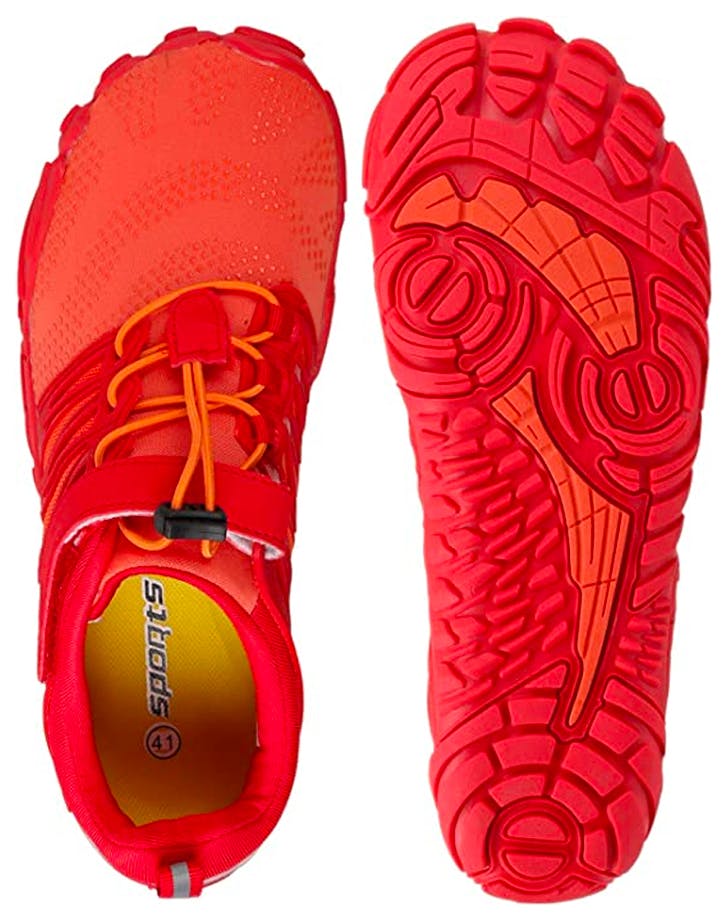
19. TEST OUT NATURAL SHOES
On the contrary, natural shoes are designed to be flat, wide and flexible, which allow your foot to be in its natural shape so that your toes have room to organically and utilize your natural foot strength.
20. AND BAREFOOT SHOES
Another name for natural shoes, barefoot shoes allow your feet to do their natural thing without additional padding, which can actually help prevent injury. Yes, this includes those weird toe shoes as well as other more traditional-looking models.
21. TRY SELF-MASSAGE
No time to get to a professional appointment? Try massaging your own feet! Finding helpful tips is as easy as a YouTube search.
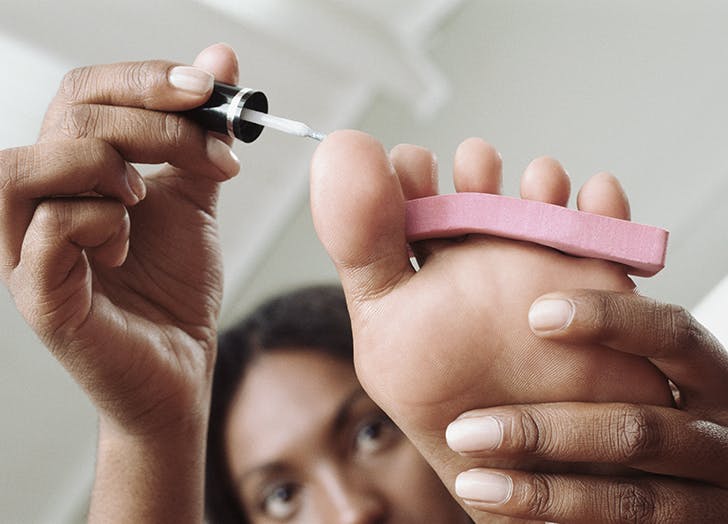
22. CUT YOUR TOENAILS STRAIGHT ACROSS
When Dr. Sutera chatted with PureWow’s beauty director, Jenny Jin, about podiatrist-approved tips for at-home pedicures, she emphasized leaving just a small amount of white at the tips. Otherwise, leaving your toenails too long, too short or cut into the corners, can lead to ingrown toenails as they grow in. Good to know.
23. DO NOT CUT YOUR CUTICLES
It’s oh-so tempting, but let them be! Dr. Sutera reminds us that our cuticles are there to protect the nail matrix, which houses the cells that grow nails. Instead, try pushing them back, which is a gentler option.
24. FILE YOUR CALLOUSES IN ONE DIRECTION
Going back and forth in a scrubbing motion rips the skin unevenly and actually leads to a rough regrowth, says Dr. Sutera.
25. DON’T OVER-FILE YOUR CALLOUSES
Going too deep can cause infection and rough regrowth.
26. CLEAN YOUR TOOLS
Even if you’re the only one using them, your pumice stone and clippers can build up with bacteria and infect your feet. Clean them regularly with an antiseptic like Betadine after each use.
27. MOISTURIZE YOUR FEET REGULARLY
Our poor little piggies often get forgotten. But regular moisturizing with specific foot products can help avoid cracks, fissures and rough regrowth. Per Dr. Sutera, look for ingredients like urea, lactic acid or salicylic acid, which help exfoliate and moisturize. Her personal recommendation is AmLactin Foot Repair Foot Cream Therapy ($11 at Amazon!).
28. TAKE OFF TOE POLISH AFTER TWO WEEKS
Newsflash: That three-month coat is actually dehydrating your toenails. This can cause flaking, discoloration and dryness. And worse, says, Dr. Sutera, fungus, yeast and mold can start to form under that pretty color if it’s on too long.
29. AND DON’T FORGET ABOUT YOUR CUTICLES
An oil or moisturizer on your nail beds will keep both your nails and cuticles hydrated.
LIFESTYLE CHANGES
30. WALK WITH CORRECT POSTURE
“Better balance and posture means more even and measured pressure on your hips, legs, knees, ankles and feet when you’re running, walking or even just standing at the stove cooking dinner,” writes Abby Hepworth.
31. NIX THE EVERYDAY HEEL-WEARING
Fashionable? Yes. Good for your feet? No. Take PureWow’s fashion director’s word for it: “[My] podiatrist has threatened surgery with a six-week recovery time and having to put metal plates in my feet, she’s also suggested that I stop wearing heels, pointy shoes and anything that my newly made (and rather expensive) orthotics can’t fit into.”
32. WEAR SHOES EVEN WHEN YOU’RE AT HOME
Walking around barefoot in your house’s hard surfaces for an extended 犀利士
period of time can lead to lots of troubling foot pain—especially if you’re already dealing with flat feet and other types of foot pain. Here are three podiatrist-approved house shoes.
33. STOP RUNNING WITHOUT SOCKS
Dr. Pidich basically says this is the worst idea ever since socks help prevent blisters and absorb sweat. Need to re-up your running sock stock? Here are the 12 best pairs you can buy.
34. DON’T WORK OUT THROUGH PAIN
Even if you start wearing socks on your runs again (good job), pain can be your poor feet trying to tell you something, whether it’s tendonitis or even a stress fracture, it’s essential to talk to a professional.
35. EAT LESS SODIUM
Feet swelling up to the point of pain? You’d be surprised that a diet of high sodium might be the culprit behind puffy red feet.
36. DRINK MORE WATER
Staying hydrated can help with inflammation and help remove toxins from the body.
STRETCHES & EXERCISES
37. ROLL YOUR FOOT OVER A FROZEN WATER BOTTLE
The cold compress helps to decrease inflammation as the rolling massages the soft tissue.
38. PROP UP YOUR FEET EVERY NIGHT WITH ICE
Let those puppies drain! Ten to 15 minutes every night with a cold compress could help you wake up without foot pain.
39. BIG TOE CRUNCH
Ever heard of “toega”? It’s yoga for your toes. For a big toe crunch, stand on a soft surface and bend your big toe under the ball of your foot. Apply as much pressure as feels comfortable to stretch that first metatarsal joint
40. BIG TOE ISOLATION
Some more toega! While standing, balanced on both feet, attempt to isolate your big toe by pushing it into the floor while simultaneously raising up the other four piggies and keeping the ball of your foot firmly on the ground.
41. TOWEL CRUNCHES
Our all-time favorite toega move: Lay out a towel. Now, sitting with your knees at a 90-degree angle, place your feet so that your toes touch the bottom of the towel. Now, scrunch your toes and grab the towel to pull it toward you until it bunches under your arches.
42. TREAT YOUR TOES LIKE FINGERS
Put those toes to work! Exercise your foot muscles by picking up that stray sock with your toes, instead of your hands. Who said fine motor skills were only about your fingers? Psst: If you’re recovering from an injury, this type of movement could be especially beneficial.
43. FLEX YOUR TOES
Brian Hoke, a sports physical therapist says: “Flex your toes up and back for 10 seconds, then point them out and down like a ballerina for 10 seconds. Repeat this process, throwing in a few ankle rolls between sets, stretching slightly longer (12 seconds, then 15) each time until you feel sufficiently relaxed.”
44. LUNGING CALF STRETCH
A lot of foot pain actually comes from the tightening of calf muscles. So stretch those babies out! This is one of the easiest calf stretches to start with. Bend your front knee—keeping your knee aligned with your angle—and straighten your back leg, heel to the ground as much as possible. Use a wall for additional balance and support.
45. HEEL DROPS
Stand with the balls of your foot on a raised platform or step. One foot at a time, drop your heel toward the floor, pedaling back and forth between feet.
46. DOWNWARD DOG
This classic yoga pose is fabulous for getting a good calf stretch in. Start on all fours, then move your feet straight back and lift your hips up and back so you’re in an inverted V-shape. You can pedal through your heels for some extra stretch.
47. SEATED CALF STRETCH WITH A RESISTANCE BAND
Sitting down on the floor, stretch out your legs. Then take a resistance band (or a scarf you have on hand) and wrap around the ball of your foot, pulling it toward your shin until you feel the stretch.
48. BENT OVER CALF STRETCH
From standing up, fold over, bending your knees. Straighten one knee forward and pull your foot toward you.
49. SEATED FORWARD FOLD
This releases tension in the calves and hamstrings as well. From a seated position, extend both legs straight out in front of you. Then, inhaling, reach both arms up, lengthening the spine. Exhale and fold forward, hinging at the hips as your arms reach towards your toes. Hold for five breaths and release
50. SLEEPING SWAN
Basically, an all-over stretch, this one releases tension in the neck, shoulders, back, hips and legs. From a seated position with a pillow in front of you, bend the left knee, bringing the sole of the left foot to your right inner thigh. Lift the right hip to extend the right leg back behind you. Your upper right thigh and the top of your right foot should be pressed against the floor. Gently hinge forward from the hips and lower down as far as you can, keeping your torso aligned, until your head hits the pillow. Extend your arms forward with a slight bend in your elbows to further deepen the stretch. Hold here for ten breaths. Roll up slowly and repeat on the other side.
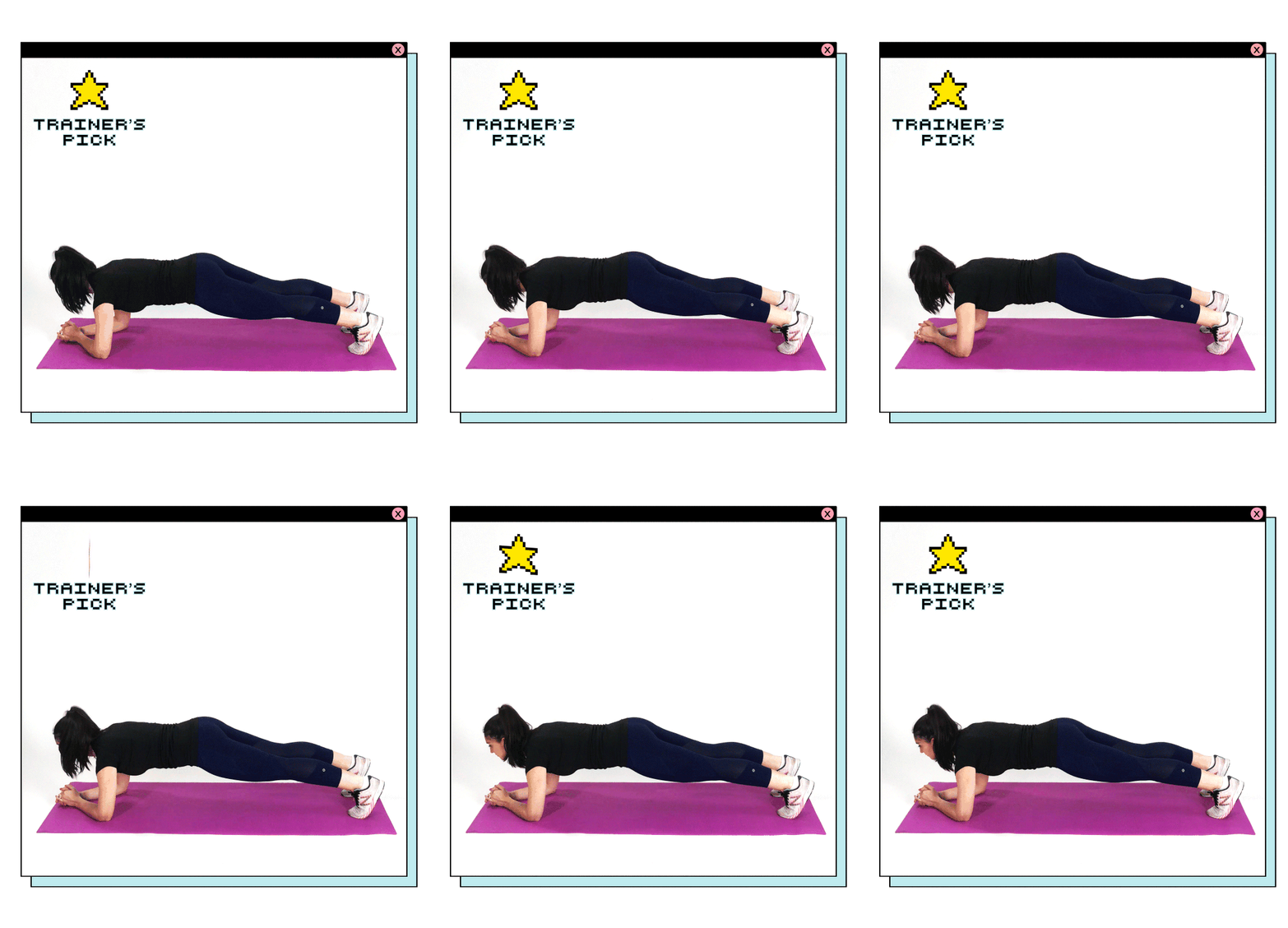
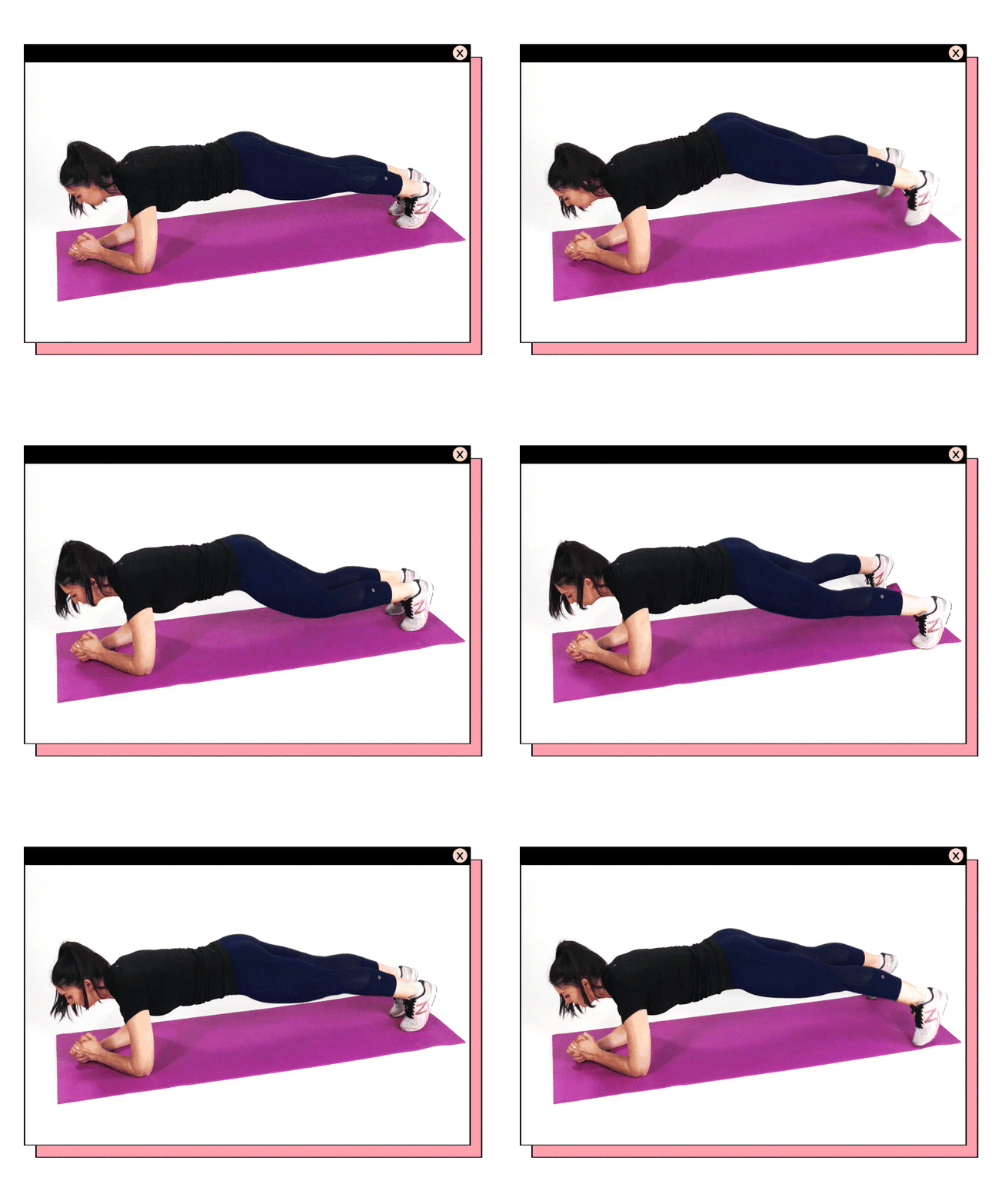
51. DO PLANKS
Strengthening your core can greatly reduce foot pain, and planks, according to PureWow editor Catrina Yohay’s 15 Best Core Workouts You Can Do at Home, No Equipment Necessary, are a go-to.
52. PLANK JACKS
From your plank position, engaging your core, jump your legs out wide and then back together as if you were doing a jumping jack.
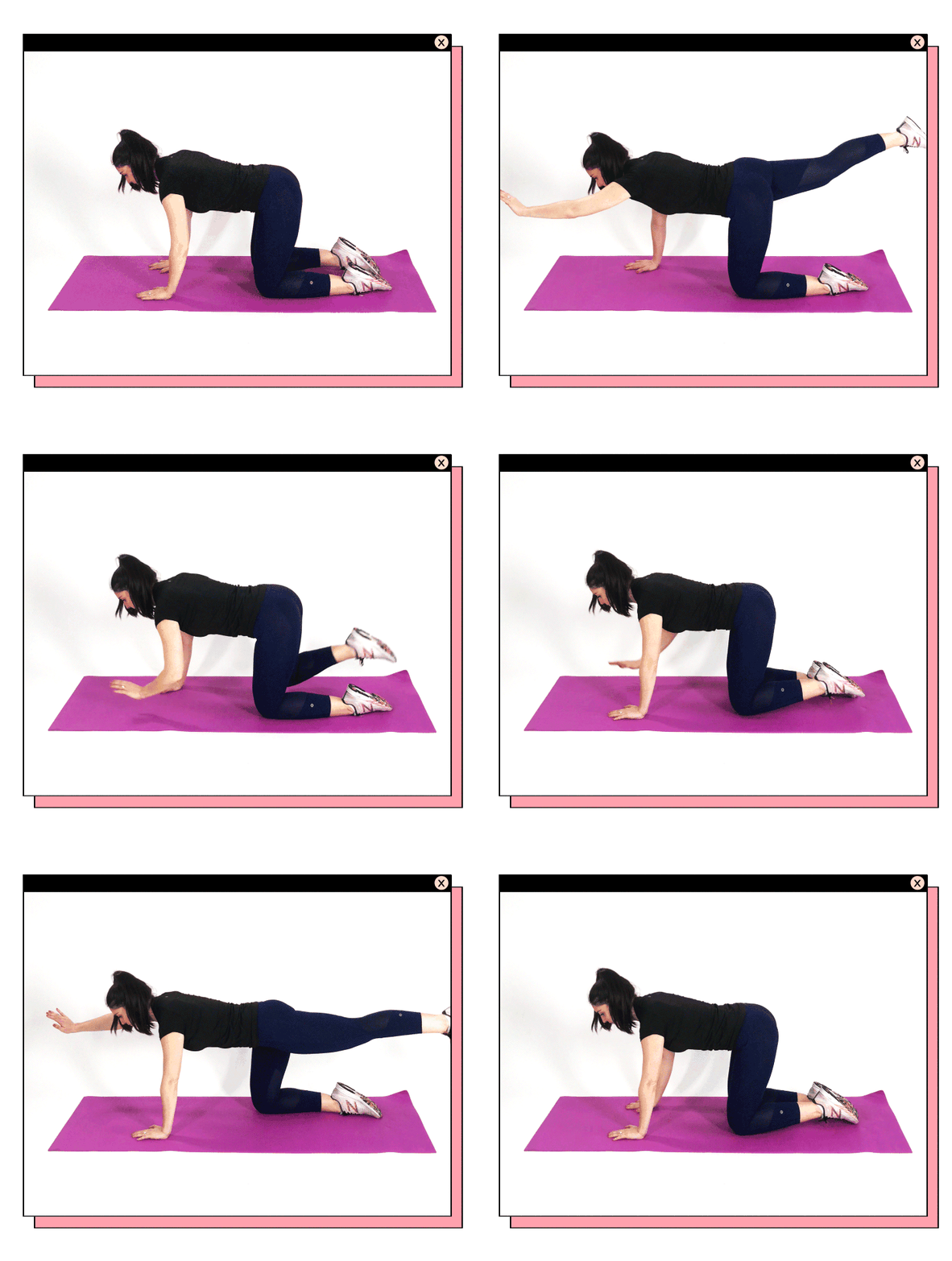
53. BIRD DOGS
Start on all fours, and then extend an opposite leg and arm out around hip height while keeping your balance. (If you’re feeling this in your lower back, you’re not engaging your core!)
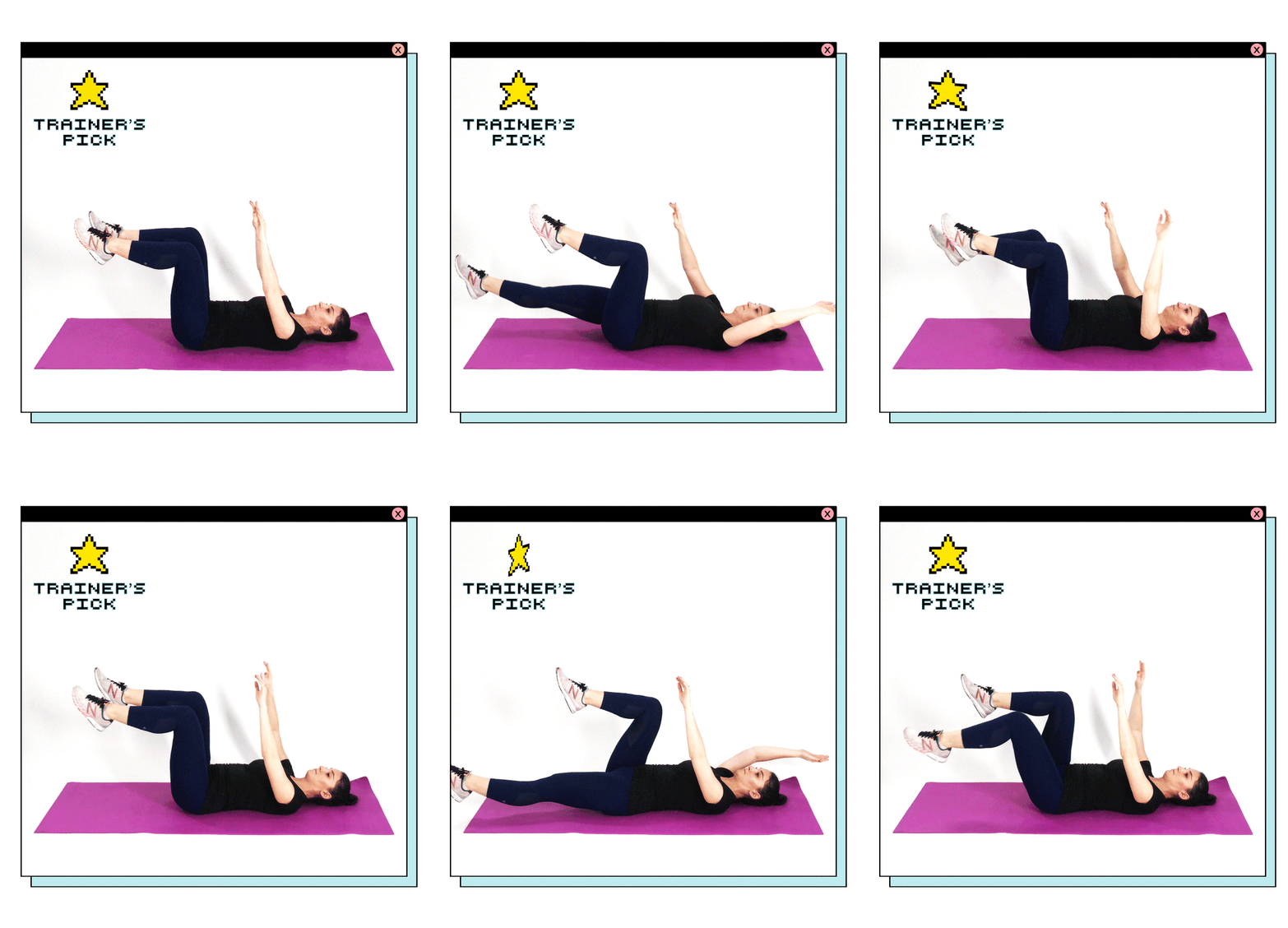
54. THE DEAD BUG
On your back, slowly extend your left arm overhead and your right leg forward until your heel is an inch or two above the surface. Engage your core to refrain from arching your lower back—keeping contact between the floor and your lower back is key. Pause, return to the starting position, switch sides and repeat.
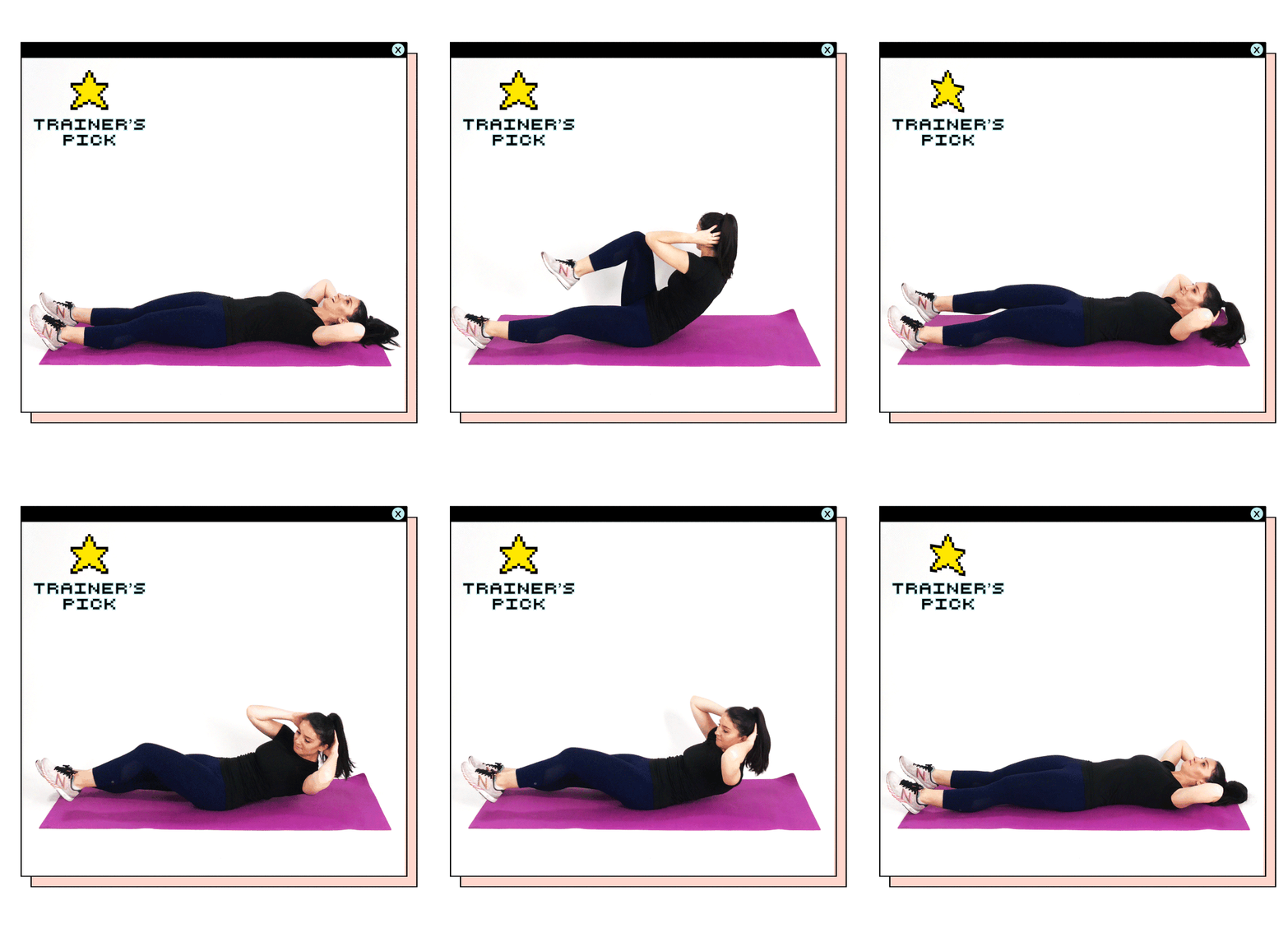
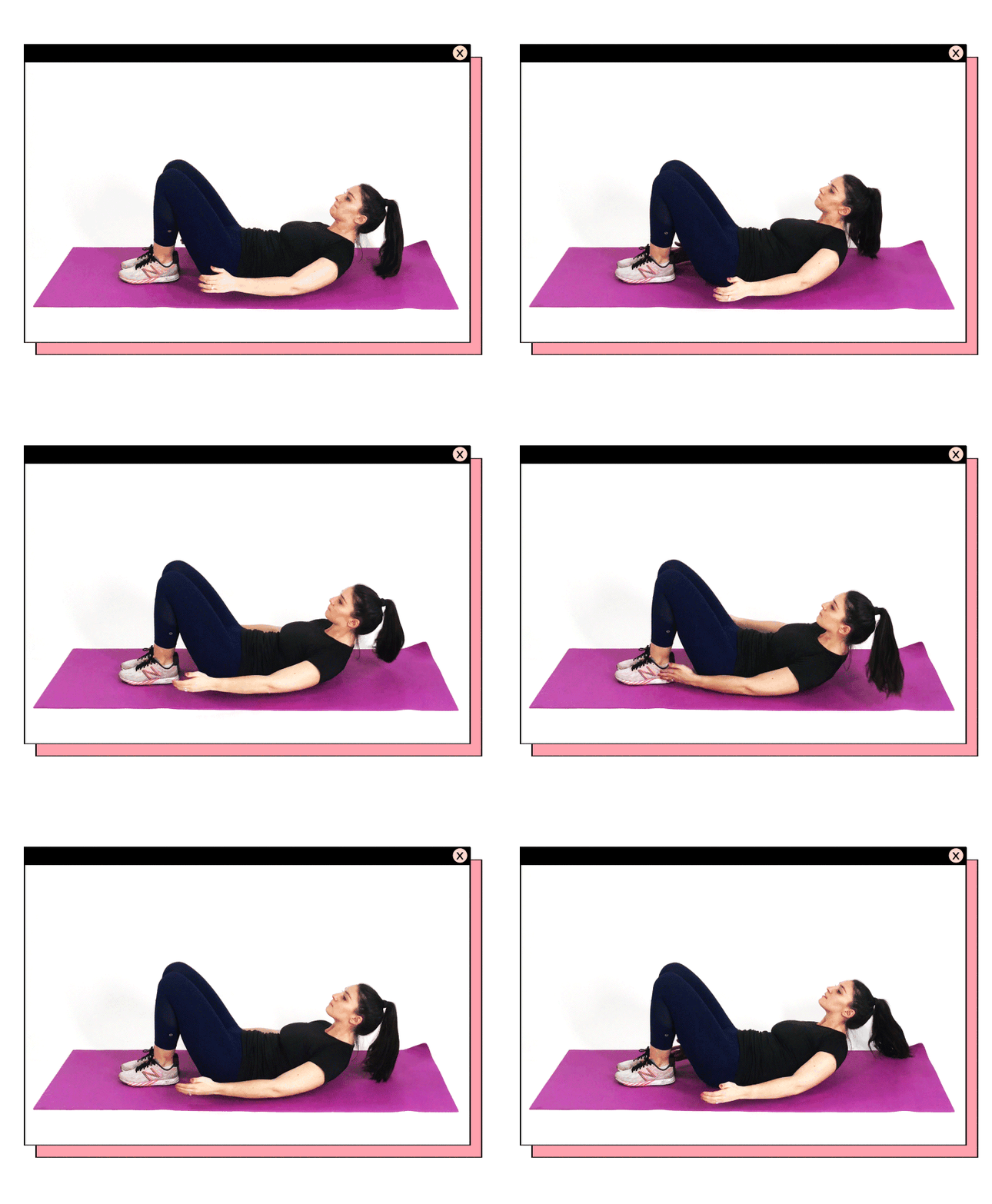
55. BICYCLE CRUNCHES
Stay on your back. “Bring your left knee in toward your chest and lift your shoulder blades up off the floor. Bring your right elbow toward your left knee, crunching up and twisting slightly. Keep the grip behind your head loose and do not pull on your neck. Switch sides and repeat,” Yohay writes.
56. LEG LIFTS
Still on your back, lift both legs up off the floor. Engage your core—duh—to keep your lower back firmly on the floor. Pull your navel in as you lift up. Slowly lower to the floor and repeat.
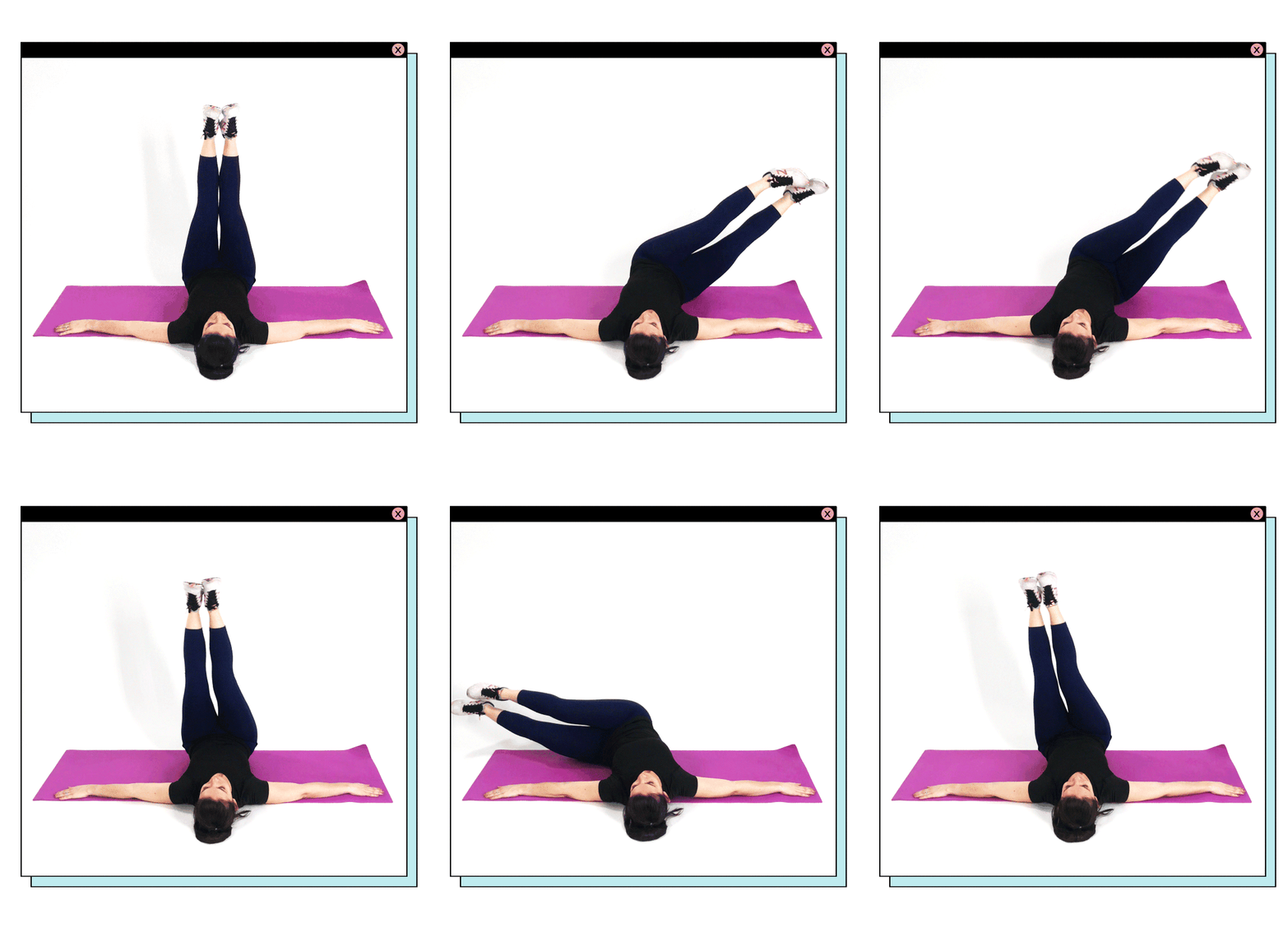
57. WINDSHIELD WIPERS
Instead of going straight up and down, move your legs side to side stopping a few inches above the ground or as far as you can without losing your balance. When you go to the right, keep your left shoulder anchored to the floor as you use your obliques to pull your legs back up and vice versa.
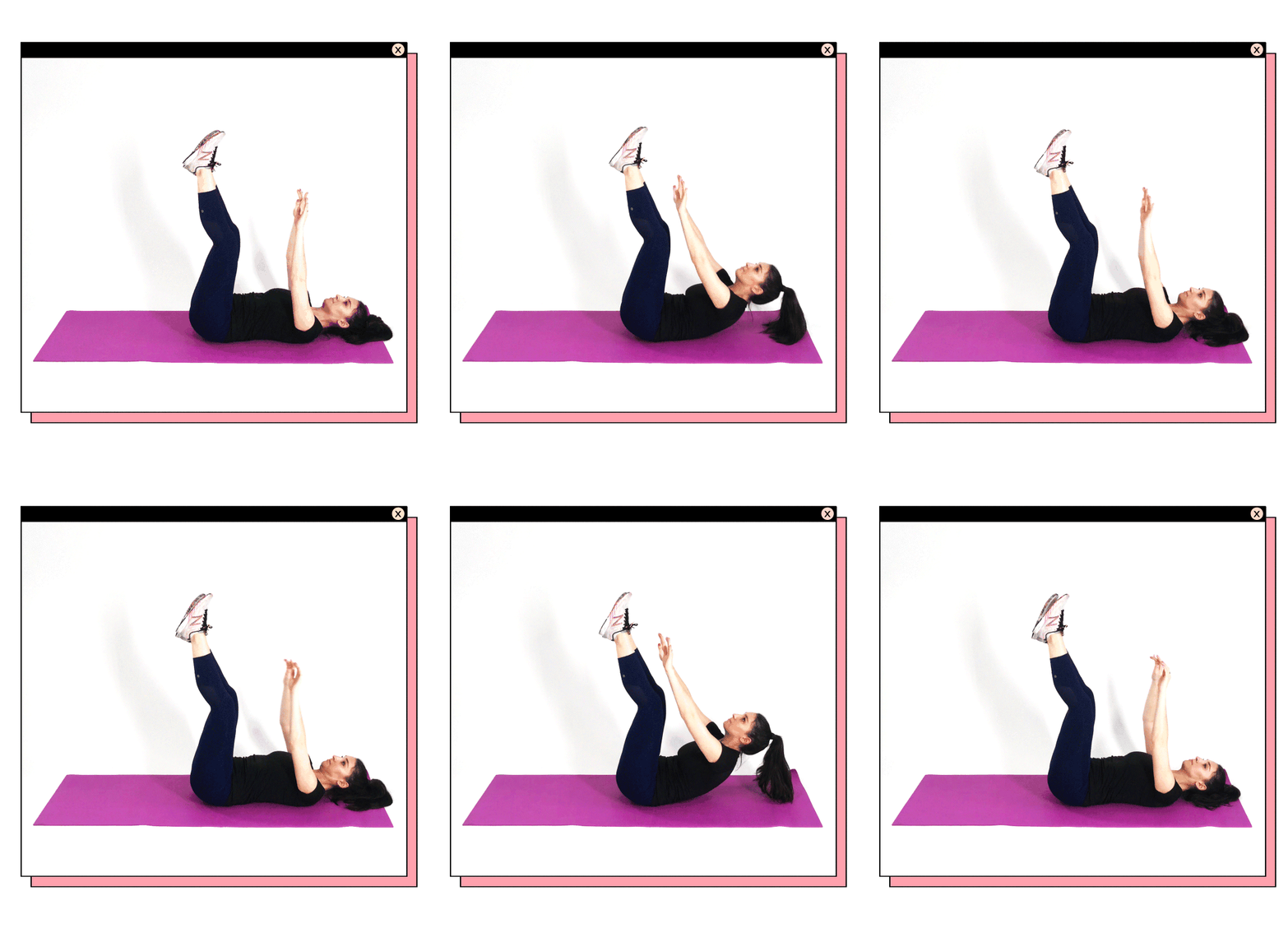
58. TOE TAPS
On your back with your legs at a 90-degree angle, extend your arms above your head and lift your shoulder blades off the ground in a crunch. Extra points if you can touch your toes.
59. HEEL TAPS
Like crunches, only this time, with your shoulder blades off the ground, you’re moving side to side touching your the heel of your foot.
60. HIGH BOAT TO LOW BOAT
It’s the ultimate crunch. Per Yohay: “Begin in a seated position with your legs bent. Lean back slightly so your torso and thighs form a V shape, engaging your core to keep your back, shoulders and head lifted. Lift your feet off the floor and balance on your tailbone. Reach your arms straight out in front of you. This is your high boat.” From there, straighten and lower your legs as your torso leans back, hovering your shoulder blades a few inches off the floor at your most extended point. Move back and forth between these two positions.
FOOT PAIN RELIEF PRODUCTS $10 AND UNDER
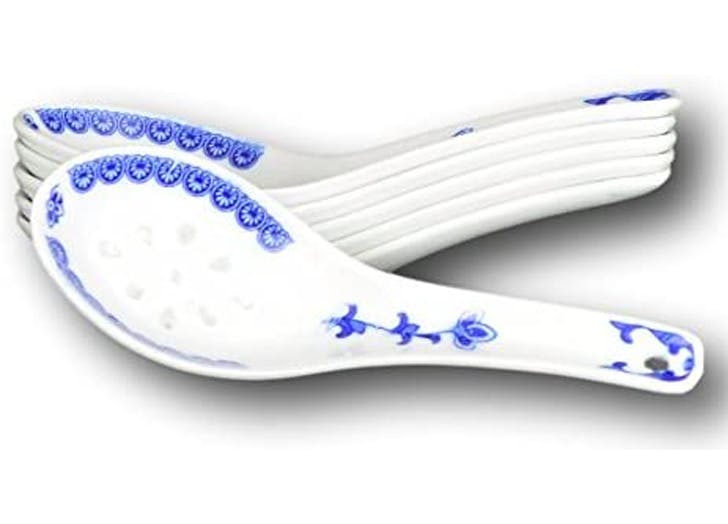
61. CERAMIC CHINESE SOUP SPOONS
Chinese soup spoons have been used for centuries to perform gua sha. To use, lather on some cream or oil to the bottom of your foot. Then, applying light pressure, stroke the blunt edge of the spoon from the top of your heel to your foot pad in vertical strokes, making sure not to cause any additional pain. (If you’re in more pain, stop.) Do the same thing horizontally across your foot.
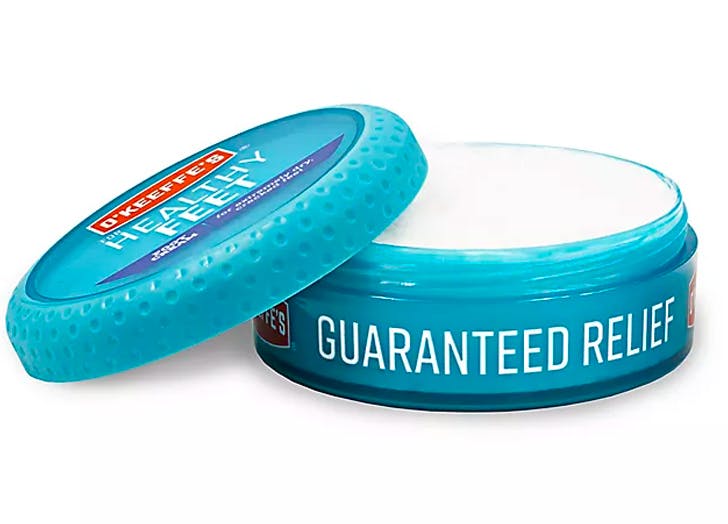
62. O’KEEFFE’S HEALTHY FEET CREAM
Made for “extremely dry and cracked feet” this $7 bottle of magic stuff is non-greasy, odorless and promises results in a just a few days.
63. THUMB SAVER MASSAGE TOOL
Just like the soup spoon, you can use this tool for scraping the soft tissue (aka plantar fascia) found on the bottom of your feet while saving your thumbs.
64. REFLEXOLOGY INSOLES
A little trigger-point therapy on-the-go? Yes, please!
65. YOBEYI ACUPRESSURE MAT FOR FOOT REFLEXOLOGY
A little pain, a little gain. Plus this is anti-slip.
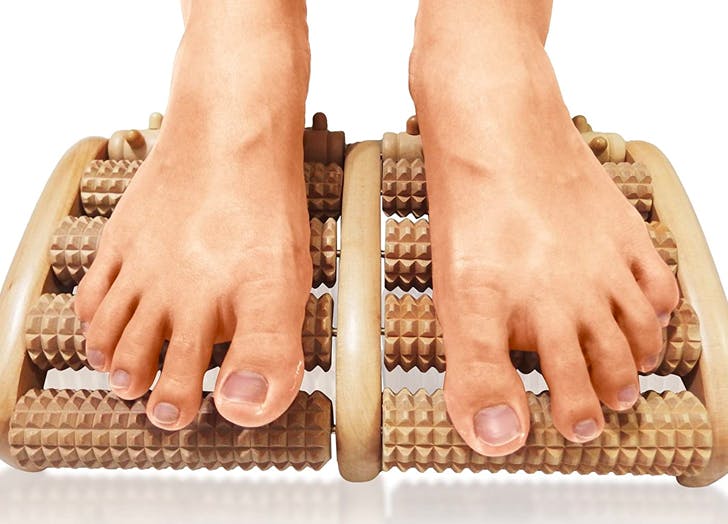
66. KANJO ACUPRESSURE FOOT PAIN RELIEF SINGLE ROLLER
Roll away the pain while you’re on a Zoom call.
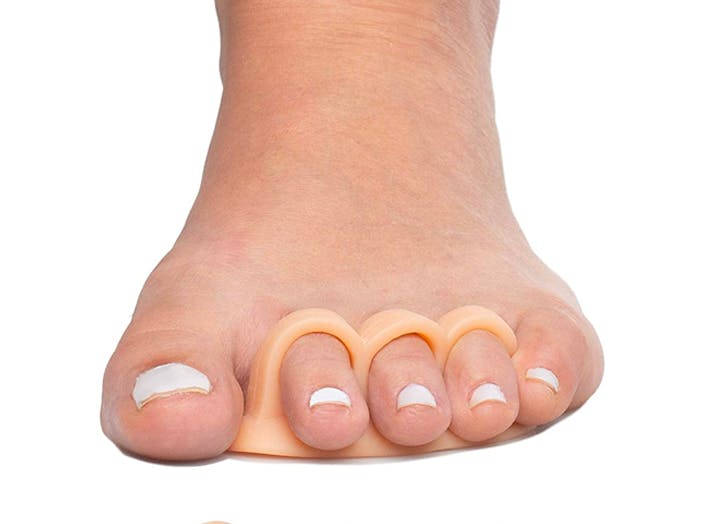
67. ZENTOES GEL TOE SEPARATORS FOR OVERLAPPING TOES
These washable and reusable separators slip on easily, providing foot-saving alignment that can even be worn while you walk around.
68. METATARSAL SLEEVE PADS
Try wearing these washable soft gel pads during your next 10K for some added metatarsal support.
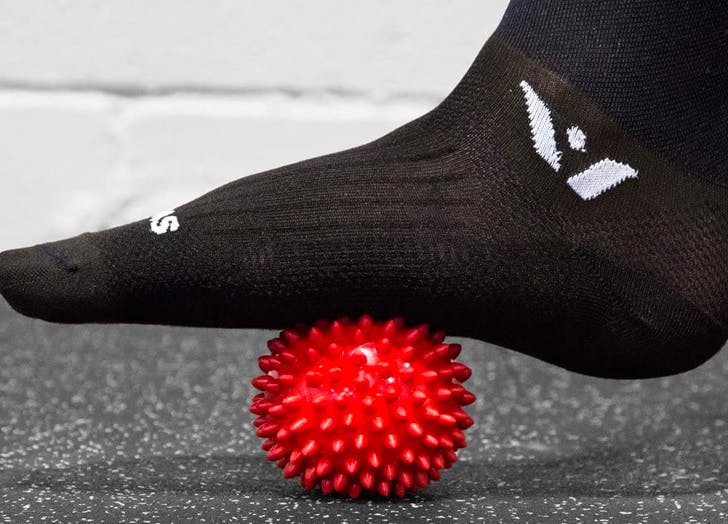
69. PRO-TEC SPIKY MASSAGE BALL
PureWow senior editor Dana Dickey tested the spike technology on her own feet and scored the red ball a whopping 96 out of 100 on the PW100 scale.
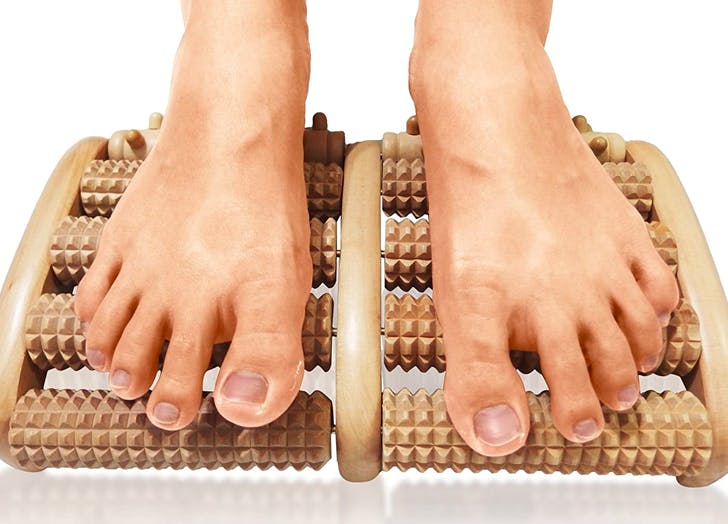
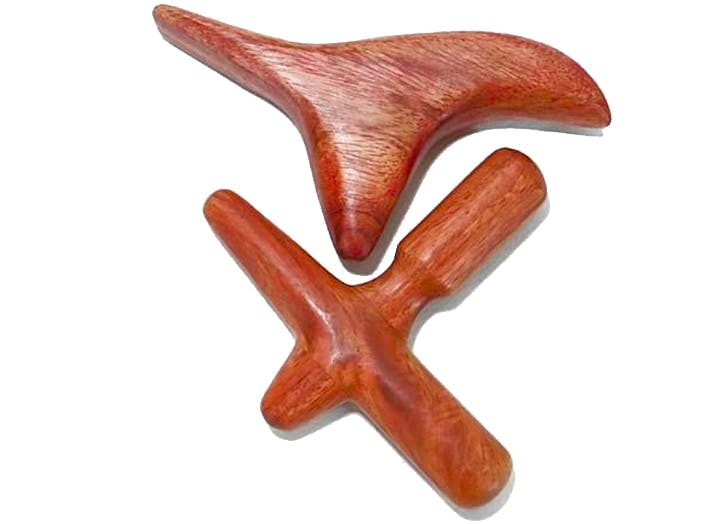
70. THAI TRADITIONAL REFLEXOLOGY HAND & FOOT MASSAGE TOOLS
Even if you’re not trained in reflexology, these wooden tools can come in handy for applying the exact pressure your feet need to release tension and increase circulation.
71. BEST FOOT FORWARD SOFTENING FOOT & HEEL MASK
Formulated with shea butter, coconut oil and Japanese cypress, these foot masks softens and nourishes skin without Shea Butter, Coconut Oil and Japanese Cypress to soften and nourish skin. Simply seal the booties around your around ankles, bing some Bling Empire (at least ten minutes of it), remove and massage the remaining moisturizer into your toes. It’s a spa day at home.
72. ZENTOES HAMMER TOE STRAIGHTENER AND CORRECTOR
Customers with hammer toe pain rave about how these little miracle worker correctors relieve foot pain and align their feet better.
73. NEFEEKO COLLAPSIBLE WATER BOTTLE
You’ve done the frozen water bottle, but now you’re making it sustainable. (Plus those ridges look great for massage.)
74. SB SOX COMPRESSION SOCKS
Increase blood flow and amp up your arch support with these compression sleeves. You can wear them to bed (which, psst, might even help you get to sleep faster), with sandals or even under another pair of socks for your workout or that big hike you’re planning.
75. STAINLESS STEEL GUA SHA TOOL
Another scraping tool, this one has double-beveled edges that can really get deep into your myofascial pain. To use, apply oil to the foot, angle the tool at 45 degrees in the direction that you want to treat and press using smooth, firm strokes in one direction.
76. SHOWER FOOT SCRUBBER
This mat helps you really scrub your feet clean without uncomfortable shower gymnastics. But its bristles also promote circulation and massage your soles.
77. THERAFLOW FOOT MASSAGER (LARGE) DUAL ROLLER
OK, now let’s do two feet at once.
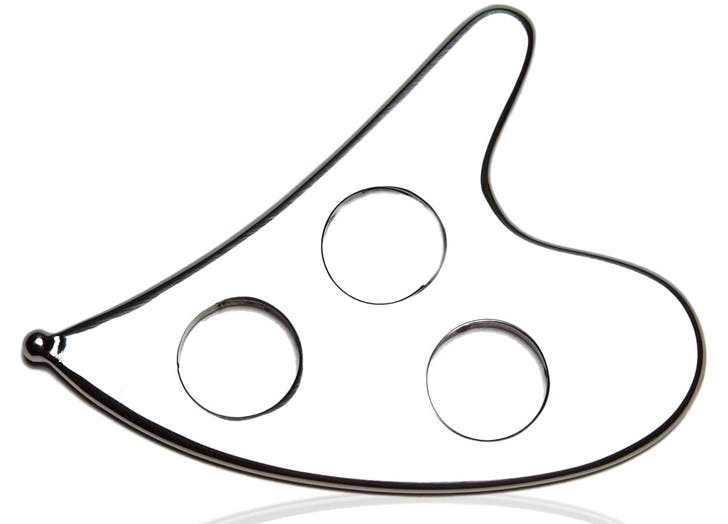
78. MEDICAL STAINLESS STEEL GUA SHA MASSAGE
Gua sha strikes again! This particular scraping tool might be our favorite on the list for its easy-to-hold finger holes and ball point, which can be used to target specific acupressure points.
79. VIVE FOOT ROCKER CALF STRETCHER
Because you want take your calf stretches to the next level.
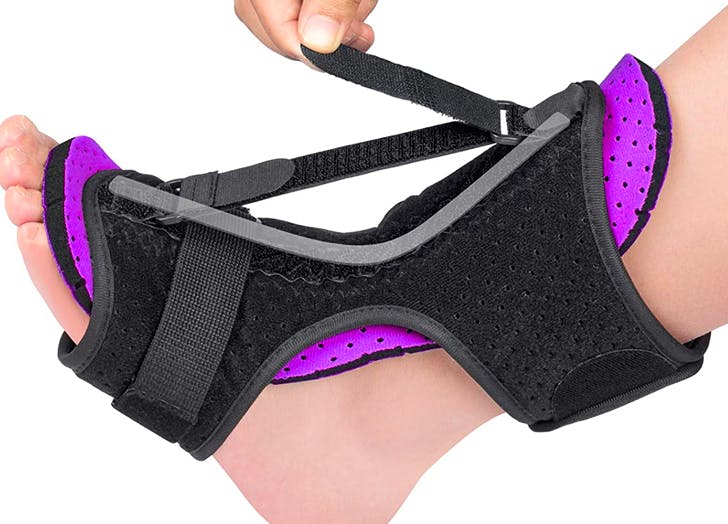
80. AIBAST PLANTAR FASCIITIS NIGHT SPLINT
Dr. Suzanne Fuchs, a foot and ankle surgeon and sports medicine specialist in Palm Beach, tells us that a night splint can help stretch the fascia as you sleep.
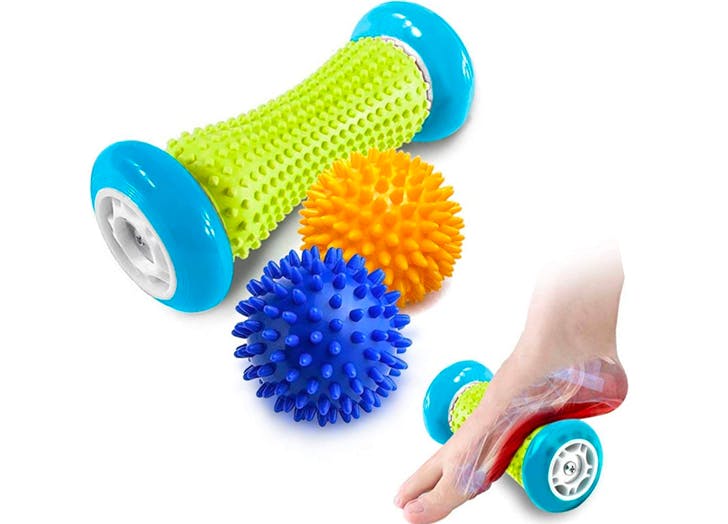
81. PASNITY SPIKY FOOT MASSAGE ROLLER + BALLS
If you love the ball rolling trick, why not just invest in the whole package?
82. DAIWA FELICITY FOOT MASSAGER REFLEXOLOGY MAT
Per one very happy customer: “It’s addicting, and I think my body just feels better as a result, making me want to continue. I stand on it while watching TV or reading emails, playing games on my phone.” Stand on it for just a couple minutes twice a day.
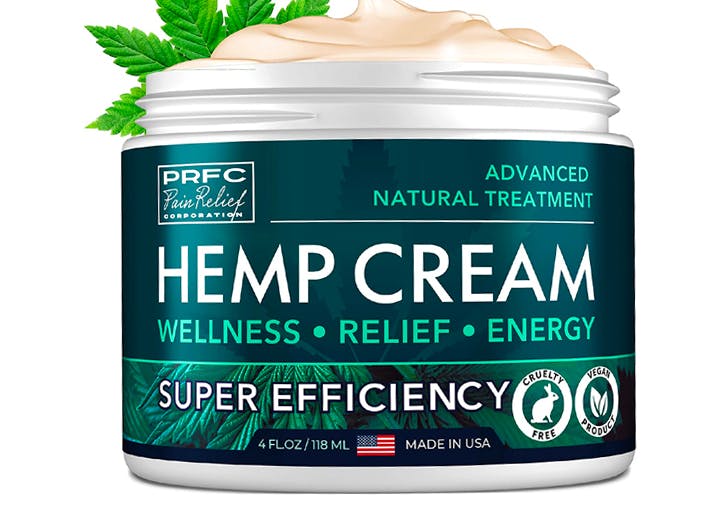
83. PAIN RELIEF HEMP CREAM
Made from the seeds of the hemp plant, this natural remedy for pain has over 8,000 reviews with an average of 4.3 stars.
84. BIRKENSTOCK SKINCARE COOLING FOOT CREAM
The active ingredients in this cult-favorite brand’s cream are cork oak extract (yes, the same cork from the bottle cap), which has anti-aging properties and peppermint-extracted menthol for a natural cooling effect. Relief never smelled so good.
85. FRENCH GIRL NAIL & CUTICLE OIL
For taking care of those sensitive cuticles after your at-home pedicure.
86. COLD/HOT THERAPY SOCKS
You’re hot and cold, you’re yes and you’re—wait, actually that feels amazing. Not meant for wearing while walking or standing, these therapy socks provide instant relief with gel silica packs that can be microwaved or frozen depending on your needs. Just cue up a Netflix binge, sit back and enjoy.
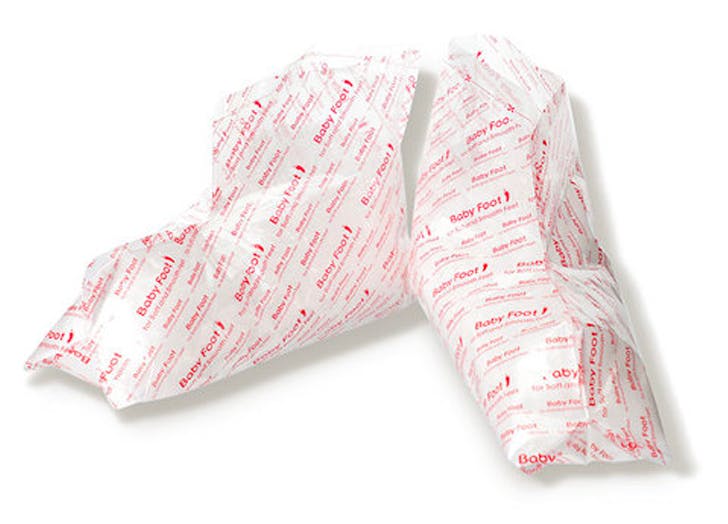
87. BABY FOOT ORIGINAL DEEP SKIN EXFOLIATION FOR FEET
Chances are you’ve heard of these viral exfoliating slippers that you wear for an hour to slough away dry, cracked skin and calluses like no other. Reviews consistently rave about the “weird” product (probably because the effects take place a few days after you wear them), so if pedicure-pretty feet are the goal, this might just be the product for your yams.
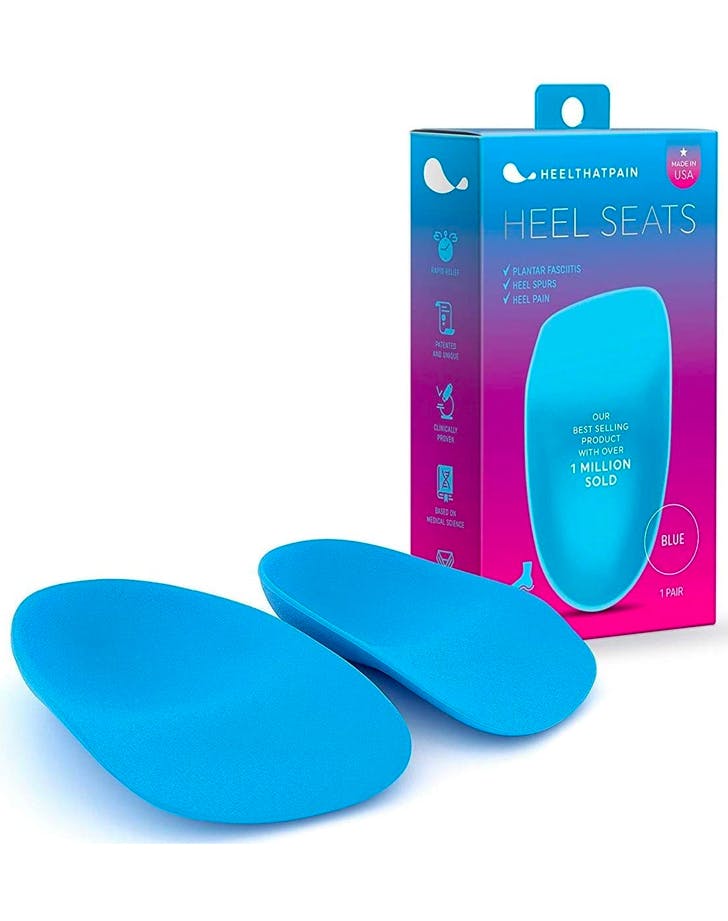
88. HEAL THAT PAIN HEAL SEATS
Another highly rated and reviewed pain-relief product, these insoles are specifically designed to attack plantar fasciitis pain by realigning the fascia into a healthier position.
89. MOJI FOOT MASSAGER ROLLER FOR FEET PAIN RELIEF
Five balls are better than one. That’s how the saying goes, right?
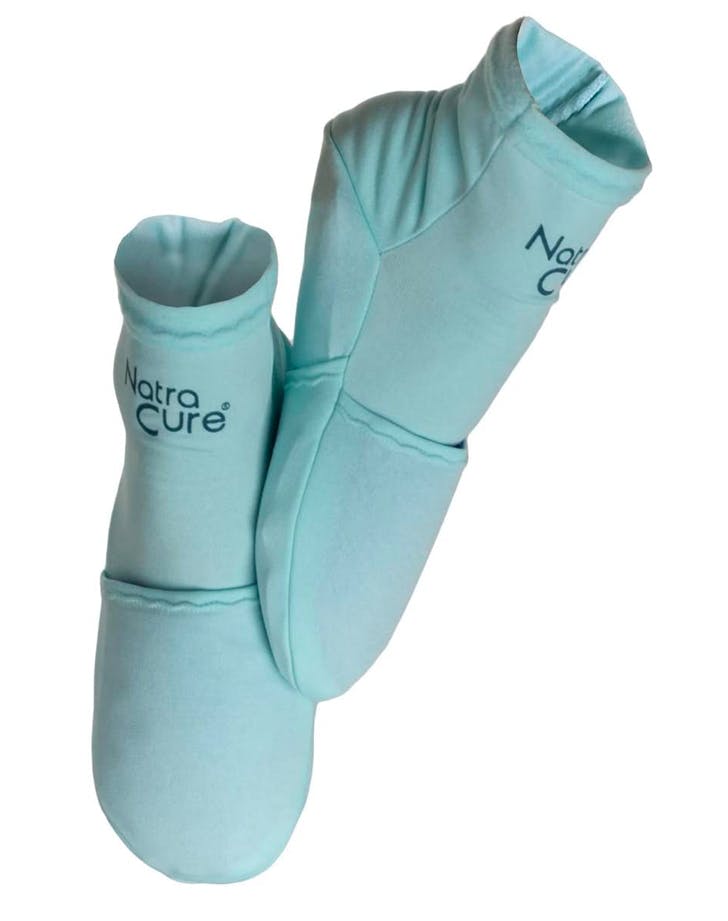
90. NATRACURE COLD THERAPY SOCKS
Don’t take our word for it. Just look at the over-4,000 reviews with an average of 4.4 stars that say these socks are the go-to for immediate relief from inflammation and swelling.
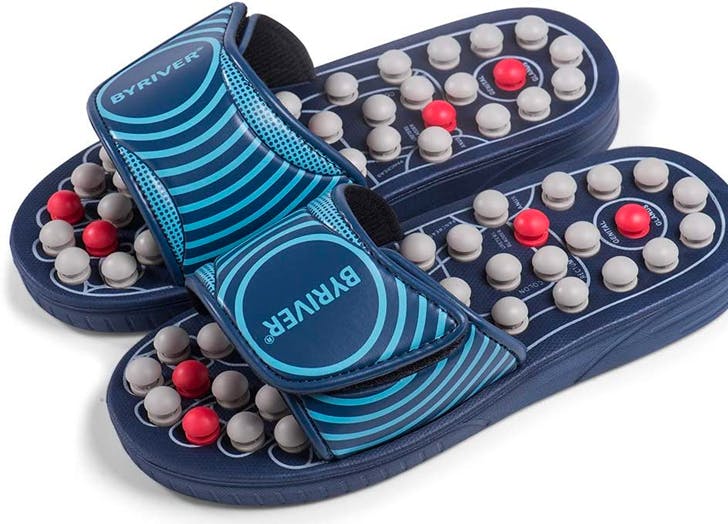
91. BYRIVER REFLEXOLOGY FOOT MASSAGER SLIPPERS
Not your average slippers—you’re definitely not supposed to walk around the house in these—slide these on for some prompt foot relief without having to do the heavy reflexology work yourself. Wear them for a few minutes (building up resilience over time) while catching up on the news to reap the full benefits of this funky footwear.
92. YOGATOES GEMS: GEL TOE STRETCHER & TOE SEPARATOR
We’ve tried and tested YogaToes and can’t speak more highly of them (they scored a 91 out of 100 on our PW100 scale). Put these on while you’re watching TV, and 15 minutes later, your feet will feel brand-new.
93. VIVE DUAL CALF STRETCHER
Why get one calf stretcher when you can get two?
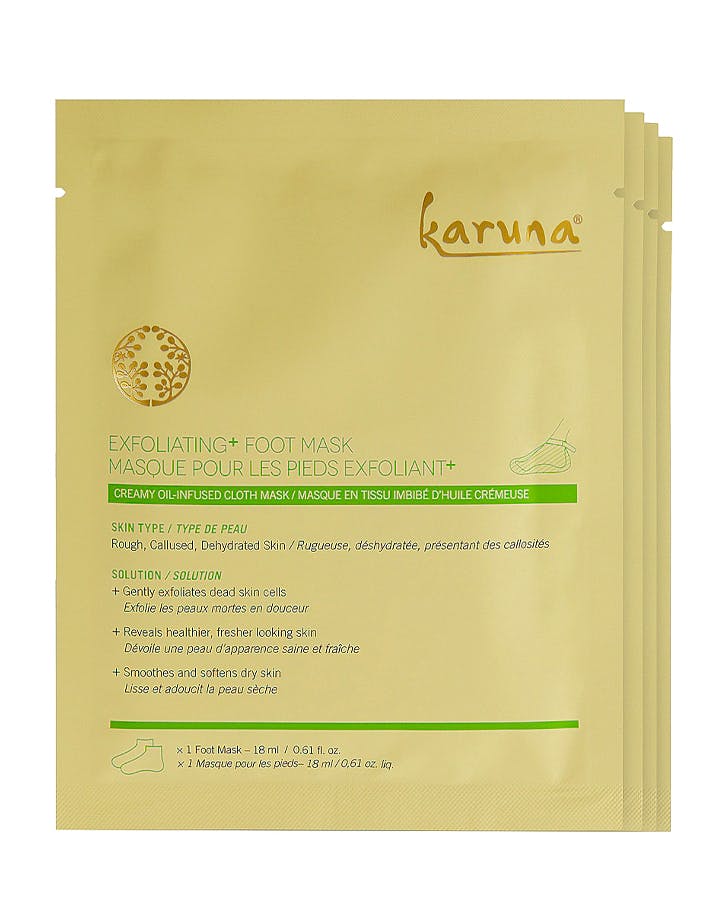
94. KARUNA EXFOLIATING+ FOOT MASK 4 PACK
This set of four foot masks both restores and exfoliates with a blend of shea butter, jojoba and coconut oils as well as AHAs that remove dead skin cells.
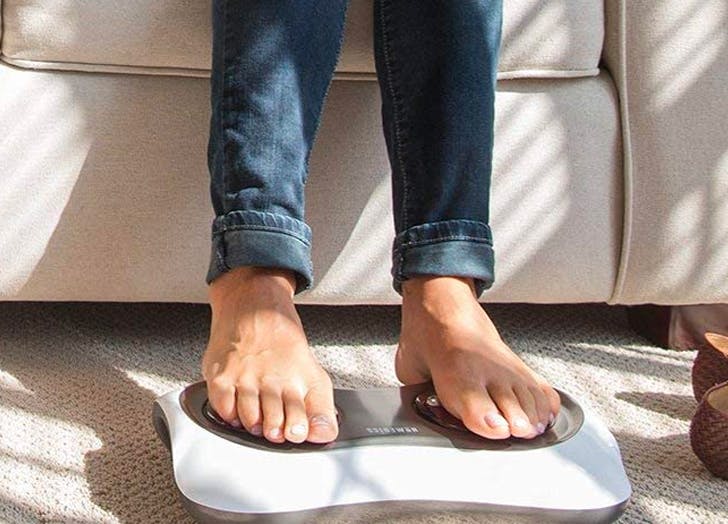
95. HOMEDICS SHIATSU DELUXE FOOT MASSAGER WITH HEAT
A heated deep-tissue Shiatsu massage with ten different modes, this highly rated device might just be the best steal on our list.
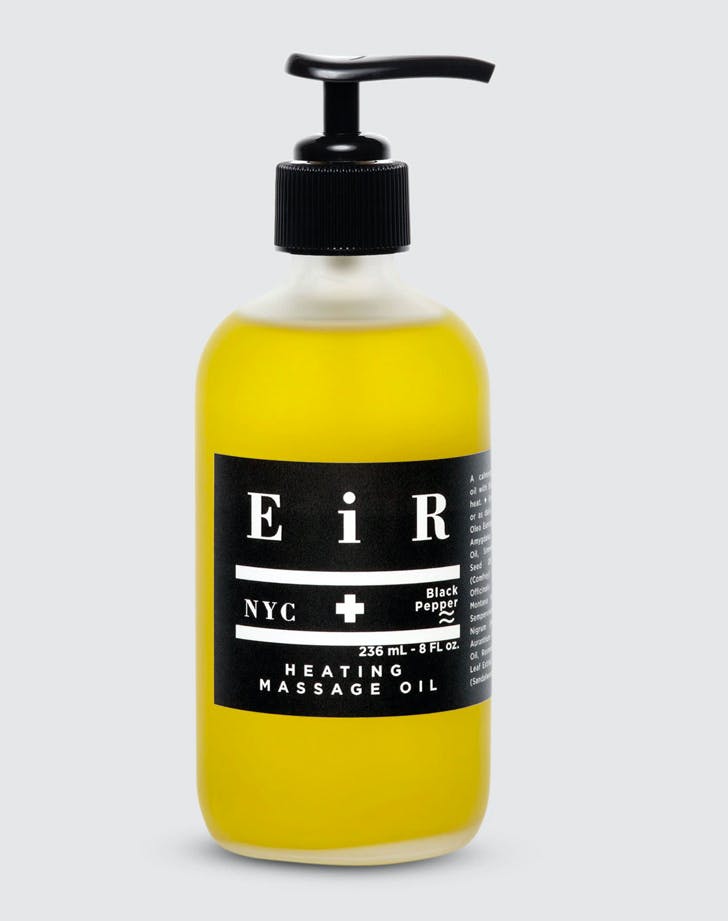
96. EIR NYC HEATING MASSAGE OIL
This luxurious muscle-warming body oil is made with arnica and comfrey to alleviate soreness while black pepper essential oil creates an internal warming effect. Use for a massage or even as a daily moisturizer.
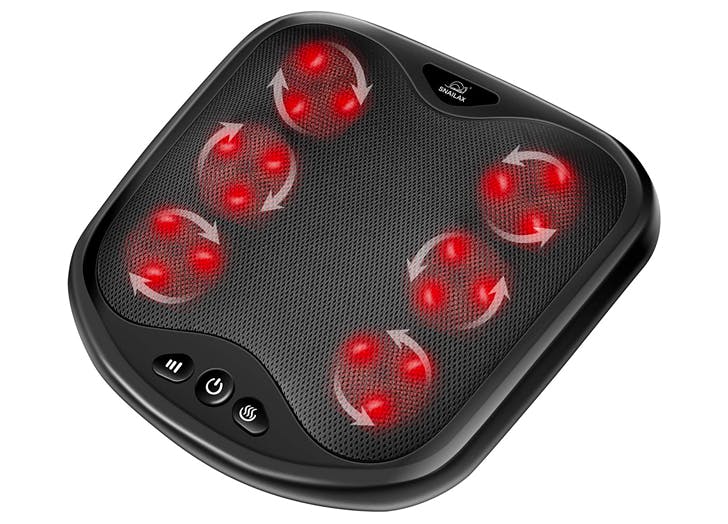
97. SNAILAX SHIATSU FOOT MASSAGER WITH HEAT
Psst: This can also be used as back massager.
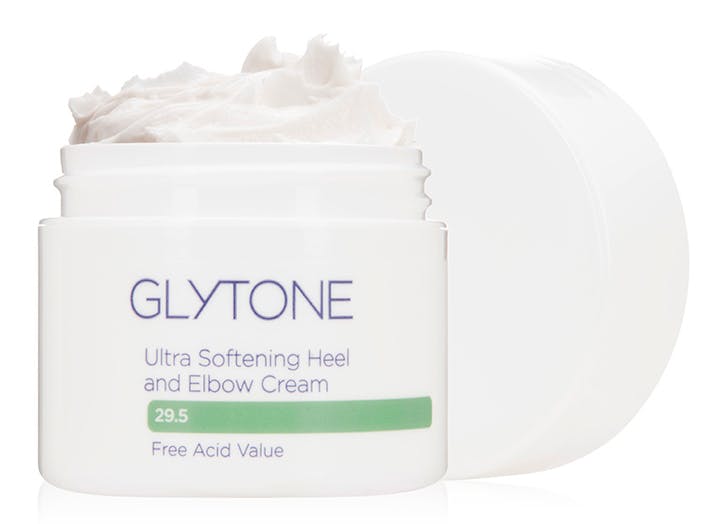
98. GLYTONE ULTRA SOFTENING HEEL AND ELBOW CREAM
Because using a pumice stone can is work. This stuff goes on like regular old moisturizer, but the glycolic acid gently exfoliates dead skin without all that extra muscle work.
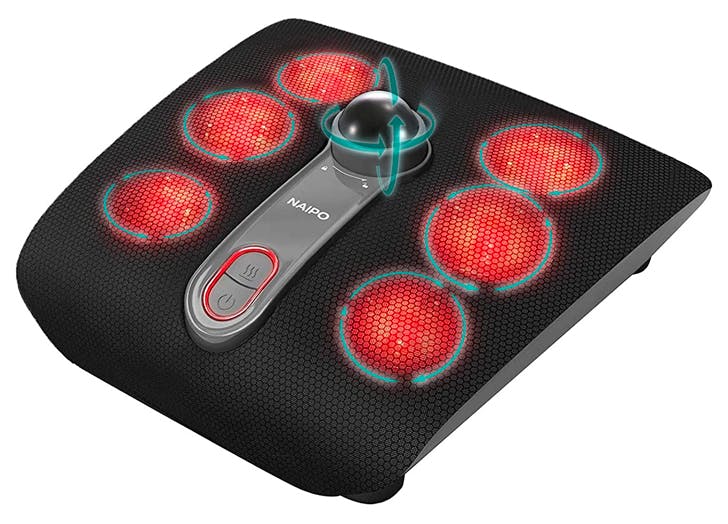
99. NAIPO FOOT MASSAGER WITH HEAT SHIATSU FEET MASSAGE MACHINE
With 18 deep-kneading nodes, this mid-range massager can target acupuncture points on your foot, stimulating blood flow and relieving stress. Take from it from one customer who commented: “My plantar heel pain is horrible. HORRIBLE. This machine makes it so much better when I use it regularly.”With 18 deep-kneading nodes, this mid-range massager can target acupuncture points on your foot, stimulating blood flow and relieving stress. Take from it from one customer who commented: “My plantar heel pain is horrible. HORRIBLE. This machine makes it so much better when I use it regularly.”
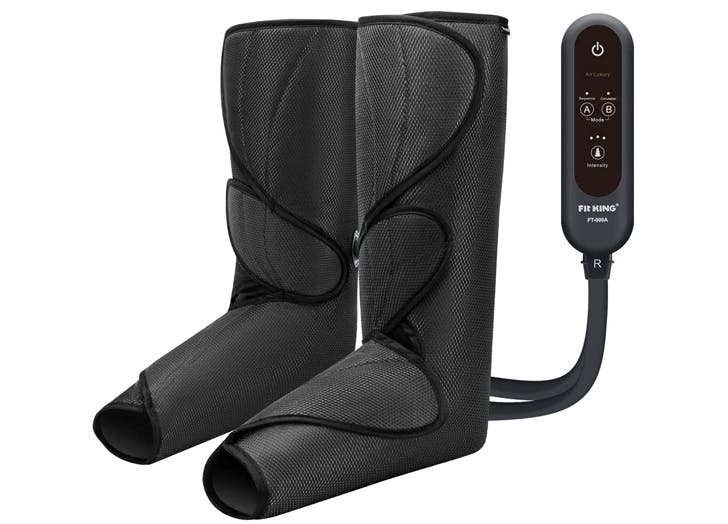
100. FIT KING LEG AIR MASSAGER
Why should your feet get all the love? These strange looking devices go all the way up to your calves.
101. SOTION SHIATSU FOOT MASSAGER MACHINE WITH HEAT FUNCTION, ADJUSTABLE INTENSITY, AIR COMPRESSION
No that’s not a Roomba. But this below-$100 massager does have a couple tricks up its sleeve—namely the air compression feature that differentiates this one from the pack